

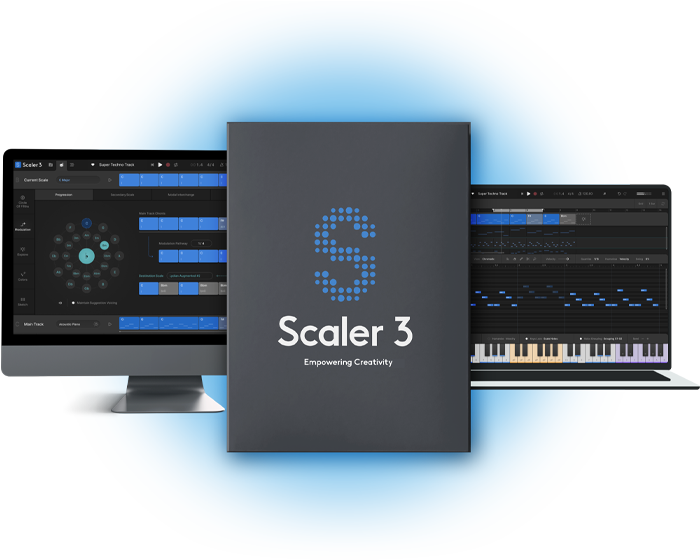
Scaler 3 VST Plug-in
Scaler 3 VST Plugin helps producers find chords, scales, and progressions with intelligent music theory assistance. Works with MIDI, audio detection, and artist packs.
Original price was: $79.00.$39.00Current price is: $39.00.
Description
Scaler 3 VST Plugin: Intelligent Music Theory Assistance for Modern Producers
Music theory can feel like a barrier between inspiration and finished tracks, especially when you’re trying to translate ideas into chords and progressions that work together. The Scaler 3 VST Plugin bridges this gap by providing intelligent assistance that helps you find the perfect chords, scales, and harmonic movements for any musical context. Whether you’re a beginner learning the basics or an experienced producer looking for fresh inspiration, Scaler 3 simplifies the theoretical side of music creation so you can focus on the creative aspects.
This powerful plugin analyzes your musical input—whether MIDI or audio—and suggests chords, scales, and progressions that fit what you’re trying to achieve. With artist-inspired packs, genre-specific patterns, and intuitive workflow tools, Scaler 3 has become an essential part of many producers’ creative process, helping them move from initial ideas to polished arrangements faster than ever before.
🎵 What Makes Scaler 3 VST Plugin Special
How Scaler 3 Transforms Your Creative Process
Many producers start with a melodic idea or rhythmic pattern but struggle to build harmonic support around it. Scaler 3 addresses this by providing multiple pathways from inspiration to completion. You can start by playing a simple melody into your DAW, then use Scaler 3 to detect the scale you’re working in. From there, the plugin suggests chords that work with your melody, shows common progressions used in similar musical contexts, and even generates complementary basslines and counter-melodies.
The interface is designed for musical thinking rather than technical configuration. Instead of worrying about chord names and theory rules, you can browse suggestions by mood, genre, or complexity. When you find something you like, a simple drag-and-drop transfers the MIDI data to your DAW, where you can further edit and refine it to fit your specific vision.
Key Features in Depth
Detection Engine: Scaler 3 can analyze both MIDI input and audio signals, making it useful in a wide range of scenarios. Whether you’re working with a vocal melody, a guitar riff, or a synth line, the plugin can identify the musical scale and suggest appropriate harmonic material. This detection works in real-time, allowing you to experiment and hear suggestions immediately.
Progression Library: The plugin includes thousands of chord progressions organized by genre, mood, and complexity. These aren’t just random combinations—they’re based on analysis of actual music across different styles and eras. You’ll find everything from simple four-chord pop patterns to complex jazz progressions, all presented in a way that’s easy to understand and implement.
Ready to Enhance Your Music Theory Skills?
Add Scaler 3 VST Plugin to your production toolkit and discover chords and progressions that inspire you
Artist and Genre Packs: One of Scaler 3’s most popular features is its collection of artist-inspired packs. These aren’t just presets—they’re carefully designed sets of chords, progressions, and voicings that capture the essence of specific musical styles. Whether you’re trying to create something in the style of Hans Zimmer’s cinematic compositions, emulate modern hip-hop chord choices, or capture the energy of electronic dance music, these packs provide authentic starting points.
Performance and Integration: Scaler 3 works as a plugin within your DAW, supporting VST, AU, and AAX formats across all major platforms. The interface is resizable and customizable, with multiple viewing modes that adapt to different workflow stages. Despite its sophisticated analysis capabilities, the plugin remains lightweight and responsive, ensuring it won’t slow down your creative process.
Common Questions About Scaler 3 VST Plugin
Do I need music theory knowledge to use Scaler 3?
Not at all. Scaler 3 is designed to make music theory accessible regardless of your background. The interface uses visual and musical feedback rather than technical terminology, and the suggestion system helps you discover options you might not have considered. Many users report that using Scaler 3 actually helps them learn music theory concepts naturally as they work.
Can Scaler 3 work with audio tracks, or only MIDI?
Scaler 3 can analyze both MIDI and audio input. This means you can feed it a vocal melody, guitar part, or any other audio source, and it will detect the scale and suggest appropriate harmonic material. This makes it particularly useful for remixing, adding harmony to existing recordings, or working with collaborators who provide audio stems.
How does the drag-and-drop MIDI export work?
When you find a chord or progression you like in Scaler 3, you can simply drag it from the plugin interface directly into your DAW’s piano roll or arrangement view. The MIDI data includes velocity information and can be edited like any other MIDI clip. This seamless integration significantly speeds up the workflow compared to manually entering chords or using separate MIDI generators.
What DAWs are compatible with Scaler 3?
Scaler 3 supports VST, AU, and AAX plugin formats, making it compatible with virtually all major DAWs including Ableton Live, FL Studio, Logic Pro, Cubase, Pro Tools, Studio One, Reaper, and others. The plugin is available for both Windows and macOS systems.
Creative Applications Across Genres
Scaler 3 finds use in virtually every musical genre. Electronic producers use it to quickly generate chord progressions for house, techno, and future bass tracks. Hip-hop and R&B producers appreciate its ability to suggest sophisticated chords that add depth to simple melodies. Film and game composers leverage the cinematic packs to create emotional harmonic backdrops. Even songwriters working in traditional pop, rock, and folk genres find value in the plugin’s ability to break through creative blocks and suggest fresh harmonic directions.
Beyond basic chord generation, creative users have developed advanced workflows with Scaler 3. Some use it as an educational tool, studying the suggested progressions to understand why certain chord combinations work well together. Others use it in combination with other plugins—feeding Scaler 3’s MIDI output into arpeggiators, chord generators, or melodic processors to create complex evolving patterns. The scale locking feature allows for safe experimentation, letting you try unusual chord substitutions while remaining musically coherent.
Learning and Development Value
Perhaps one of Scaler 3’s most significant benefits is its educational value. By showing you which chords work together and why, the plugin helps demystify music theory. Many users report that regular use of Scaler 3 has improved their understanding of harmony, chord construction, and progression logic. The visual feedback—showing chord relationships, scale degrees, and voice leading suggestions—makes abstract concepts concrete and understandable.
For those interested in deeper learning, Scaler 3 includes documentation and tutorial content that explains the theory behind its suggestions. This combination of practical tool and educational resource makes it valuable for producers at all stages of their musical development.
Start Creating Better Music Today
Join thousands of producers who use Scaler 3 to enhance their harmonic vocabulary and streamline their creative workflow
Additional Resources and Integration
To get the most from Scaler 3, consider exploring the official Plugin Boutique page for tutorials, demo videos, and user reviews. The producer community also shares tips and techniques on platforms like YouTube, where you can find genre-specific workflows and creative applications.
If you’re building a comprehensive music production toolkit, Scaler 3 pairs well with other creative tools. For melodic inspiration, check out our selection of melody and chord plugins, or explore dedicated arpeggiators and sequencers for generating rhythmic patterns.
Whether you’re struggling with music theory or simply looking for ways to speed up your creative process, Scaler 3 VST Plugin offers a unique combination of intelligent assistance and workflow efficiency. Its ability to analyze musical context and provide appropriate suggestions makes it more than just a theory tool—it’s a creative partner that can help you realize your musical ideas more effectively.
JoseMig –
thank you very much !